
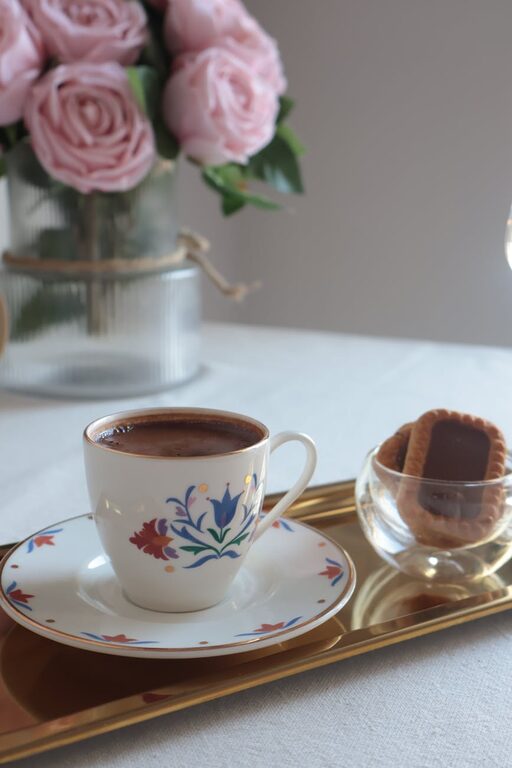
Creating a calm and soothing atmosphere in your home starts with the colors you choose for your walls and décor. Colors have the power to influence mood, energy levels, and even how spacious or cozy a room feels. If you want your home to feel like a peaceful retreat from the busy world, selecting calm colors is key.
In this blog post, we’ll explore helpful tips on choosing calm colors for your home. Whether you’re repainting a room or planning your entire home’s color scheme, these ideas will guide you to create a tranquil environment.
Why Choose Calm Colors for Your Home?
Calm colors are typically soft, muted, and natural hues that help reduce stress and promote relaxation. Unlike bright or intense colors that can feel energizing or overwhelming, calm colors can make a space feel serene and welcoming.
Benefits of using calm colors include:
– Creating a peaceful ambiance that supports rest and relaxation
– Making rooms feel more open and airy
– Enhancing the flow of natural light
– Providing a neutral backdrop for various styles and décor choices
Popular Calm Color Families
Here are some popular color families known for their calming effects:
1. Neutrals
Neutral colors like beige, soft whites, taupe, and gray are timeless and versatile. They evoke a sense of simplicity and balance, making them great for almost any room.
2. Soft Blues
Blue is often associated with calmness and clarity. Lighter shades such as powder blue, sky blue, or dusty blue bring a soothing vibe without feeling cold.
3. Gentle Greens
Green reminds us of nature and growth. Soft green tones like sage, mint, or olive add a restful, organic touch to interiors.
4. Warm Pastels
Muted pinks, lavender, peach, or warm blush shades introduce warmth while maintaining a soft and gentle atmosphere.
Tips for Choosing the Right Calm Colors
1. Consider the Room’s Purpose
Think about how you want each space to feel. Bedrooms and bathrooms benefit from restful colors that encourage relaxation, like pale blue or sage green. Living rooms and kitchens might call for warmer neutral shades or pastels that invite comfort and socializing.
2. Test Samples in Your Space
Colors can look very different depending on lighting and surrounding décor. Paint small sections or use sample boards to see how a color works throughout the day.
3. Pay Attention to Lighting
Natural light often enhances calm colors’s softness, while artificial lighting may change how a paint color looks. Observe how your chosen colors react to both sunlight and lamps.
4. Create Color Harmony
Pair calm colors with complementary or analogous tones for a cohesive look. For example, soft blues go well with sandy beige or light gray, while muted greens pair nicely with warm whites and wood tones.
5. Use Textures to Add Interest
If you choose neutral or muted colors, add texture through fabrics, rugs, or wall finishes to keep the room from feeling flat or dull.
6. Avoid Overuse of Dark Shades
While deep blues or greens can be beautiful, too much dark color can make a room feel heavy. Balance dark tones with lighter shades or use them as accents.
7. Embrace Minimal Contrast
Calm color schemes often feature low contrast between tones, creating a seamless and soft visual experience. Stick to colors close in lightness or saturation.
Calm Colors and Decor Styles
Calm colors work beautifully with many decor styles:
– Scandinavian: Think whites, soft grays, pale blues, and natural wood.
– Coastal: Incorporate light blues, sandy neutrals, and seafoam greens.
– Minimalist: Use muted neutals and pastels in simple, uncluttered spaces.
– Bohemian: Blend soft greens, earthy tones, and warm pinks with lots of texture.
Practical Examples of Calm Colors for Different Rooms
| Room | Calm Color Suggestions |
|—————-|———————————————-|
| Bedroom | Powder blue, lavender, soft gray, sage green|
| Living Room | Warm beige, light taupe, pale peach |
| Bathroom | Mint green, pale aqua, off-white |
| Kitchen | Light gray, soft yellow, creamy white |
| Office | Dusty blue, muted green, light taupe |
Final Thoughts
Choosing calm colors for your home is a wonderful way to cultivate a space that feels balanced and peaceful. Remember to consider the room’s function, test colors with natural light, and aim for color harmony. Don’t rush—take your time exploring shades that make you feel relaxed and happy.
By thoughtfully selecting calm colors, you can create a home that truly supports your well-being and comfort. Happy decorating!